

Hospice Care San Antonio: What Every Family Needs to Know | AIP Hospice
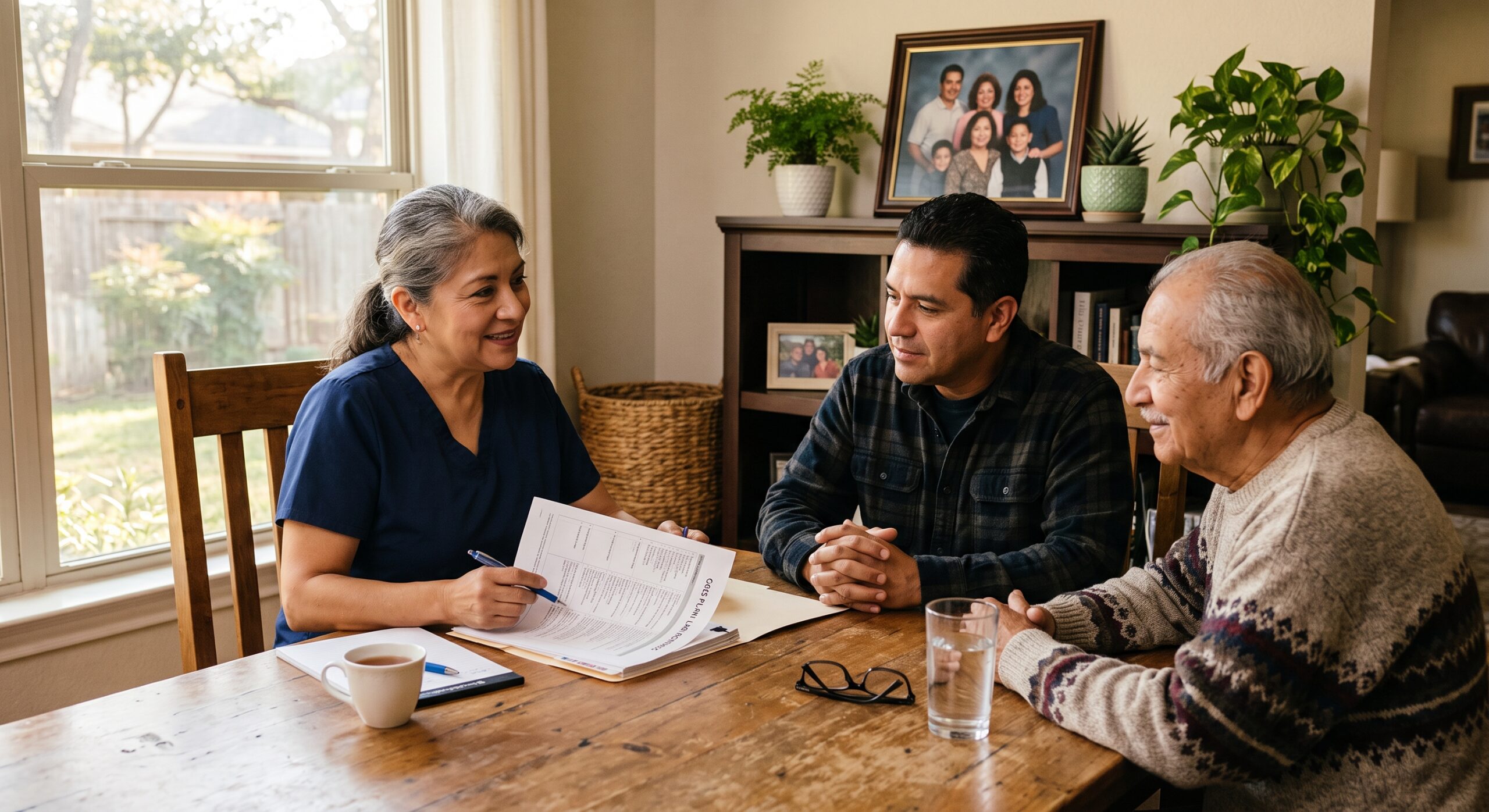
Searching for compassionate hospice care San Antonio families can count on often begins during a deeply stressful time. Whether your loved one is currently recovering from a hospital stay at the South Texas Medical Center, residing in an assisted living community in North Central San Antonio, or resting at home in Bexar County, making decisions about end of life care requires clarity and speed. With dozens of agencies operating across the greater metropolitan area, knowing how to evaluate agencies and choose the right clinical partner is essential for your family's peace of mind.
Selecting a provider is not simply about signing medical paperwork; it is about choosing the specific individuals who will walk into your home, manage physical pain, and offer emotional support during life's most delicate moments. Understanding what distinguishes high quality care, how response times impact patient comfort, and what questions to ask prospective agencies empowers you to make an informed choice. Here is everything your family needs to know about navigating end of life support across South Texas.
Key Questions to Ask When Evaluating Hospice Care San Antonio Providers
Not all clinical agencies operate under the same standards or staffing models. While every certified organization must meet basic Medicare guidelines, the daily experience of care varies greatly based on nurse caseloads, local availability, and administrative philosophy. When interviewing prospective agencies, ask these essential questions:
1. What Is Your Average Nurse-to-Patient Ratio?
The number of patients assigned to a single registered nurse directly determines how much time that nurse can dedicate to your relative. Large corporate organizations often require nurses to manage 15 to 20 patients simultaneously. This heavy workload leads to rushed visits, delayed callbacks, and frequent caregiver burnout.
In contrast, community oriented providers maintain much lower caseloads (often around half the industry average). When a nurse manages fewer families, visits are unhurried and attentive. There is ample time to perform clinical checks, answer questions, and sit quietly to offer genuine human comfort.
2. How Quickly Do You Respond to Emergency Calls?
Medical emergencies and sudden symptom spikes do not adhere to regular office hours. Breakthrough pain, sudden anxiety, or breathing difficulties can occur late at night or on weekends.
Ask each provider specifically about their after hours protocol. Will you speak directly to a local nurse who knows your patient, or will your call go to a distant national call center? Top tier agencies commit to rapid response standards, often responding to new inquiries within 30 minutes and sending a clinician to the bedside promptly.
3. Will My Family See the Same Care Team Every Visit?
Continuity of care is crucial for patient comfort. Elderly patients, particularly those living with dementia or severe memory loss, thrive on routine and familiar faces. Re-explaining medical histories and personal preferences to a new nurse during every visit creates unnecessary stress for both the patient and family caregivers.
Prioritize agencies that assign a dedicated, consistent care team. Having the same nurse, certified aide, and social worker visit week after week ensures seamless communication and deep familiarity with your loved one's unique routines.
What Services Are Included in In-Home Comfort Care?
When choosing hospice care San Antonio support for a parent or spouse, many people assume care takes place in a dedicated facility. In reality, the vast majority of comfort care is delivered directly wherever the patient calls home, including private residences, personal care homes, assisted living facilities, and skilled nursing homes.
Comprehensive comfort programs bring an entire interdisciplinary team directly to your doorstep:
Skilled Nursing Services: Registered nurses oversee pain management, administer specialized medications, care for wounds, and monitor symptom progression.
Hospice Aides: Certified nursing assistants help with daily personal care, including gentle bathing, dressing, skin hygiene, and mobility support.
Medical Equipment and Supplies: All necessary medical gear, such as hospital beds, pressure-relieving mattresses, oxygen systems, wheelchairs, and incontinence supplies, is delivered and set up in the home.
Prescription Medications: All pharmaceuticals necessary to manage symptoms related to the terminal condition are delivered directly to the residence at zero cost to the family.
Social Work and Emotional Support: Licensed social workers assist with advance directives, community resources, emotional coping strategies, and long term planning.
Spiritual Care: Non-denominational chaplains offer spiritual comfort, prayer, or simple companionship tailored to your family's personal beliefs.
By consolidating these services into a single care plan, families avoid chaotic trips to retail pharmacies or medical supply stores, allowing them to focus entirely on spending quality time together.
Understanding Financial Coverage: Medicare, Medicaid, and VA Benefits
Financial concerns should never stand between a patient and dignified end of life support. Fortunately, accessing reliable hospice care San Antonio coverage is straightforward due to robust federal and state benefit programs.
The Medicare Hospice Benefit
For eligible seniors aged 65 and older, or individuals receiving Social Security Disability benefits, Medicare Part A covers 100 percent of allowed hospice services. There are no deductibles and no out of pocket charges for clinical visits, medical equipment, or related medications. You can review full eligibility details directly through the official Medicare Hospice Coverage Guide.
Texas Medicaid
For qualifying individuals with limited income, Texas Health and Human Services provides a comprehensive Medicaid hospice benefit. This program covers medical management, personal care aides, and clinical supplies in full, matching the comprehensive standards set by Medicare.
Veterans Affairs (VA) Benefits
Veterans residing in Bexar County and surrounding communities often qualify for full coverage through the Department of Veterans Affairs. Agencies listed on the US Federal Contractor Registration (US FCR) work closely with the VA to ensure military veterans receive specialized honor guards, benefit coordination, and clinical support tailored to their service history.
Where Does Care Take Place in Bexar County?
One of the greatest benefits of modern palliative and end of life support is adaptability. Clinical teams deliver support across a wide variety of care settings throughout the San Antonio region:
Private Residences: Nurses and aides visit your family home, adapting their care around your family's natural daily schedule.
Assisted Living Communities: Clinical staff work alongside community caregivers to add an extra layer of specialized medical oversight without disturbing the resident's living environment.
Skilled Nursing Facilities: Hospice clinicians partner with nursing home staff to manage complex symptoms and prevent unnecessary hospital readmissions.
General Inpatient Facilities: When acute symptoms cannot be safely controlled at home, short term inpatient support in a specialized hospital setting provides intensive medical stabilization until the patient can return home safely.
To explore how these options adapt to different living arrangements, review our detailed guide on Assisted Living & Personal Care Home Support.
How to Initiate Care and What to Expect First
Initiating services does not require a complex medical referral process or weeks of waiting. Families, physicians, or facility directors can request an initial assessment at any time.
Once an inquiry is made, a local clinical coordinator conducts a comfortable, no-obligation evaluation in person. After reviewing medical history and obtaining physician authorization, care can frequently begin the exact same day. Medical equipment is ordered and delivered immediately, medications arrive at the home, and the assigned nursing team establishes a regular visit schedule tailored specifically to your family's needs.
For further educational material on what to expect during initial home visits, browse our comprehensive Hospice 101 Resource Center.
Partnering with AIP Hospice in San Antonio
Choosing a care provider is one of the most important decisions your family will ever make. You deserve a partner who responds quickly, listens attentively, and treats your loved one with unhurried, genuine compassion.
At AIP Hospice, we are proud to be a family-owned, CHAP-accredited provider serving San Antonio and communities within a 50-mile radius of the medical center. Our nurses carry about half the patient caseload of standard agencies, ensuring every visit is attentive and thorough. With a 30-minute response promise for new inquiries and 24/7 staff availability, delivering high-quality hospice care San Antonio families deserve remains our singular focus.
If you are ready to explore options or have questions about coverage, our supportive hospice care San Antonio team is here to help day or night. Contact AIP Hospice today or call us directly at (210) 260-0000 to speak with a caring professional.