

What to Expect in the Last Days of Life: A Gentle Caregiver Guide
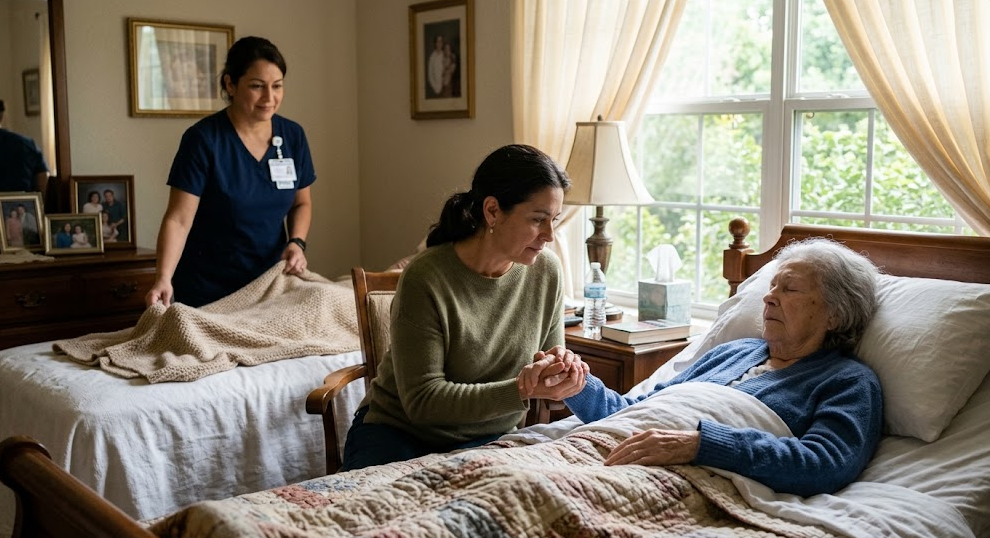
Caring for a loved one during their final chapter is a deeply profound and emotional experience. As an advanced illness progresses, family members naturally feel anxious about what lies ahead and want to ensure their relative remains entirely peaceful and free of pain. Understanding what to expect in the last days of life helps demystify the dying process, removing fear of the unknown and empowering caregivers to offer quiet, loving support.
Dying is a natural, gradual transition where the human body slowly winds down its physical functions. Recognizing physical symptoms, emotional shifts, and cognitive changes allows families to focus on presence, dignity, and touch rather than anxiety. Here is a clear, compassionate guide explaining the natural signs of the final days and how specialized hospice teams help maintain total comfort.
Physical Signs: What to Expect in the Last Days of Life
As the body enters its final phase, energy conservation becomes its primary focus. The physical changes that occur are a normal part of the body shutting down naturally and peacefully. Knowing what to expect in the last days of life from a physical perspective helps caregivers react with calm reassurance rather than panic.
1. Decreased Need for Food and Water
Metabolism slows significantly near the end of life. Patients naturally lose interest in eating and drinking because the body no longer requires or processes calories. Forcing food or liquids can cause discomfort, choking, or nausea. Offering small ice chips, lip balm, or moistening the mouth with soft sponges provides complete comfort without burdening the digestive system.
2. Changes in Breathing Patterns
Breathing naturally becomes irregular. You may notice shallow breaths, long pauses between breathing (apnea), or rapid cycles known as Cheyne-Stokes breathing. Additionally, secretions can collect in the back of the throat when swallowing reflexes decline, creating a moist sound sometimes called a "death rattle." While this sound can be alarming to relatives, medical studies show it does not cause distress to the patient. Nurses manage this by gently repositioning the individual or applying simple oral drops.
3. Reduced Circulation and Temperature Changes
Blood flow prioritizes vital organs, causing hands, arms, feet, and legs to feel cool to the touch. The skin may take on a pale, bluish, or blotch-like appearance (mottling), starting at the knees and feet. Adding a light, warm blanket keeps the body comfortable without weighing down the patient.
4. Increased Sleep and Withdrawal
Patients often spend the majority of their time sleeping and may become difficult to awaken. When awake, they may appear drowsy or uncommunicative. Hearing remains extraordinarily sharp until the very end, making quiet conversation, soft music, and soothing touch deeply reassuring.
For detailed clinical guidance on managing physical symptom shifts, families can review resources from the National Institute on Aging.
Cognitive and Emotional Changes Near the End of Life
In addition to physical shifts, emotional and spiritual changes frequently occur. Learning what to expect in the last days of life emotionally helps family members respond with patience and empathy.
- Terminal Restlessness or Agitation: Some patients experience brief periods of confusion, fidgeting, or repetitive movements with their hands or bedding. This can stem from medication adjustments, full bladder discomfort, or emotional processing. Hospice nurses manage this promptly through comforting touch or targeted medication adjustments.
- Visions or Talking to Deceased Loved Ones: It is very common for individuals near the end of life to speak with relatives or friends who passed away years earlier. They may reach toward the corner of the room or talk about taking a journey. These experiences are normal, peaceful, and comforting to the patient; caregivers should listen quietly without attempting to correct or argue.
- Quiet Emotional Withdrawal: Patients often detach slowly from the surrounding world, letting go of worldly concerns and narrowing their focus to immediate family or quiet contemplation.
Practical Steps Caregivers Can Take at the Bedside
When families understand what to expect in the last days of life, they can shift their energy toward creating a serene, comforting environment. Small, loving gestures often mean the most:
- Speak Softly and Assume They Hear You: Always speak to your loved one in a warm, reassuring voice, even if they appear non-responsive. Say the words of love, forgiveness, and gratitude you wish to share.
- Focus on Gentle Touch: Hold their hand, brush their hair, or gently stroke their forehead with a damp cloth. Touch communicates love when words are no longer needed.
- Maintain a Calming Atmosphere: Keep room lighting soft, minimize loud television noises, and play comforting background music or familiar prayers.
- Keep the Mouth and Skin Moist: Apply gentle lip balm regularly and use oral swabs to keep the mouth fresh. Use cool damp cloths on the forehead if fever arises.
Families looking for additional practical caregiving tips can browse our educational articles in Hospice 101.
How Hospice Nurses Maintain Round-the-Clock Comfort
Families never have to navigate these final moments alone. Hospice care brings a full medical support system into the home or facility setting, ensuring physical pain, shortness of breath, and restlessness are aggressively managed.
When working with a certified agency, hospice nurses monitor symptom progressions closely, adjust medications continuously, and teach family members how to administer comfort care between visits. Having a registered nurse available 24 hours a day guarantees that sudden symptom changes are addressed immediately without needing stressful emergency room visits.
If care takes place in a residential facility, hospice teams partner directly with facility staff. Learn more about how care extends into community settings through our Assisted Living & Personal Care Support page.
Providing Peace and Dignity in San Antonio
Knowing what to expect in the last days of life replaces anxiety with gentle confidence, allowing your family to cherish sacred moments together without fear.
At AIP Hospice, our dedicated clinical staff walks alongside San Antonio families through every step of the end-of-life journey. As a family-owned, CHAP-accredited provider, our nurses carry lower caseloads to ensure unhurried bedside visits, 30-minute emergency response times, and compassionate support 24 hours a day.
If you have questions about how our care team keeps patients peaceful at home or want to learn more about what to expect in the last days of life, we are here to support you anytime. Contact AIP Hospice today or call us directly at (210) 260-0000 to speak with a caring professional.