

Bilingual Hospice Care in San Antonio: Culturally Compassionate Support for Hispanic Families
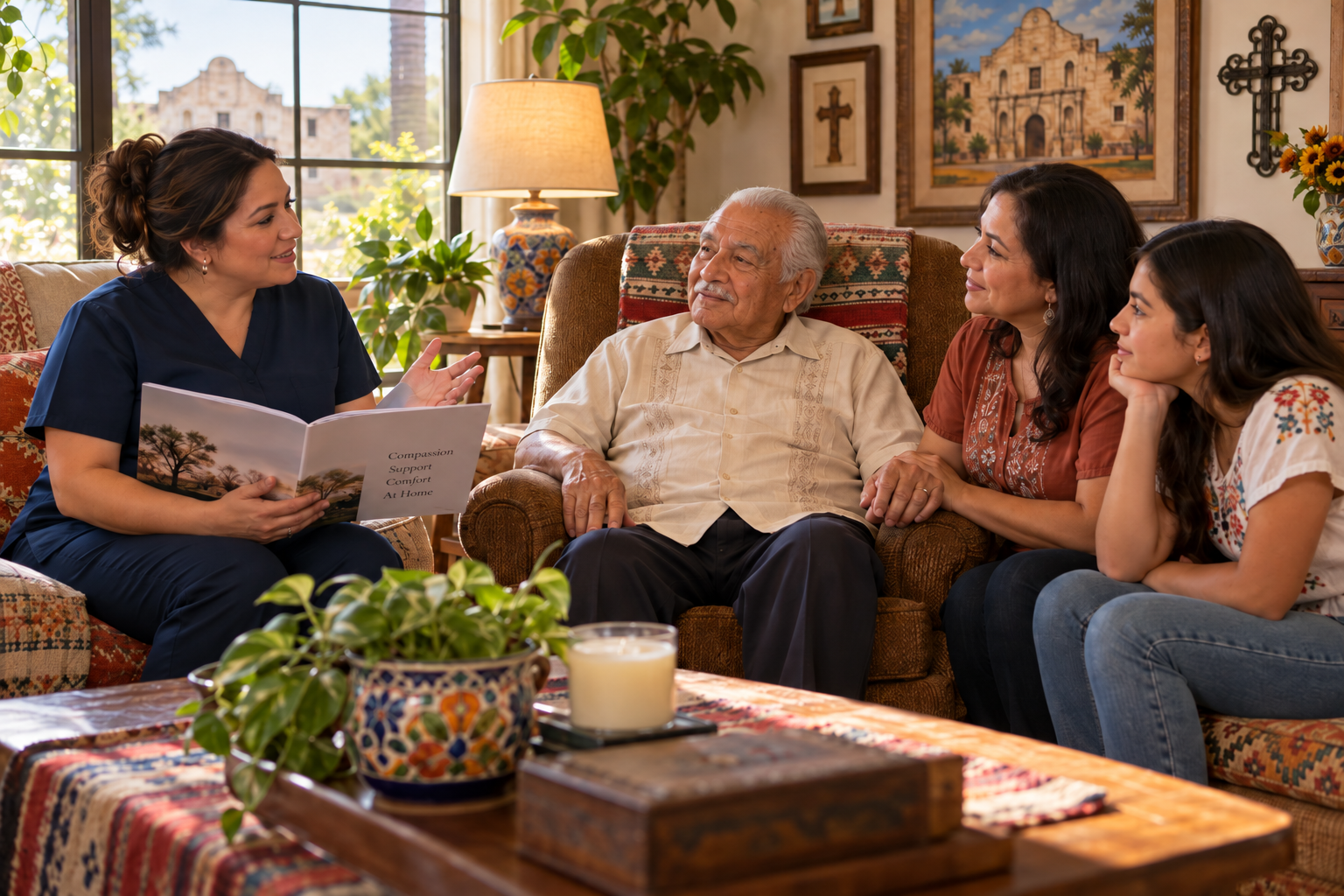
In a city as culturally vibrant and rich in heritage as San Antonio, healthcare is never just a transaction of clinical procedures; it is an intimate relationship rooted in respect, family, and community. With Hispanic families comprising nearly two-thirds of Bexar County's population, navigating the final chapters of a loved one's life requires far more than generic medical oversight. Choosing dedicated bilingual hospice care San Antonio families trust ensures that an aging mother, father, or grandparent (abuelito) receives medical comfort in the language of their heart, while honoring the cherished traditions and values that define their life.
When serious illness advances, language barriers and cultural misunderstandings can introduce unnecessary anxiety into an already vulnerable time. Having a hospice team that speaks fluent Spanish and understands the nuanced dynamics of Hispanic households transforms the care experience from intimidating to deeply comforting.
The Power of Language at the End of Life
In the advanced stages of an illness, particularly with cognitive conditions like dementia, Alzheimer's disease, or severe fatigue, older bilingual adults frequently undergo linguistic regression. Clinical studies in geriatric neurology demonstrate that as cognitive processing slows, patients naturally revert to their primary mother tongue. A senior who spent decades speaking fluent English in the workplace often finds solace and comprehension exclusively in Spanish during their final weeks and days.
When clinical staff speak only English, subtle communication breakdowns occur:
- Misunderstood Pain Cues: A patient may express discomfort using regional idioms or subtle Spanish descriptors ("me duele el cuerpo," "siento una pesadez"). Without a bilingual nurse present, these critical verbal signals can be overlooked or misinterpreted.
- Emotional Isolation: Being surrounded by healthcare workers whose instructions must be translated creates disorientation and fear. Hearing a calm, native greeting, "Buenas tardes, ¿cómo amaneció hoy?", immediately lowers blood pressure and establishes emotional safety.
- Caregiver Strain: Relying on adult children or grandchildren to translate clinical instructions, medication dosages, and prognostic realities places an unfair emotional weight on family members who simply want to be present as loving sons and daughters.
Understanding Familismo and Multi-Generational Decision-Making
One of the foundational cultural pillars of Hispanic family life is familismo: a deep sense of loyalty, solidarity, and collective responsibility that places family needs and unity above individual preferences. In traditional Western medicine, healthcare decisions are often approached on an individualistic level between a single patient and their doctor. In Hispanic households, however, medical decisions are collective family conversations.
A culturally competent hospice team embraces this dynamic:
- Honoring Family Consensus: Rather than rushing conversations, our care coordinators meet with the entire family, spouses, adult siblings, and extended relatives, ensuring everyone feels heard and respected.
- Preserving Dignity (Dignidad y Respeto): Senior Hispanic adults command deep familial respect. Our nurses treat aging patriarchs and matriarchs with profound reverence, taking time to speak directly to them with warmth and dignity (con mucho respeto), regardless of their physical limitations.
- Supporting Multi-Generational Bedside Presence: It is common for Hispanic households to feature children, grandchildren, and extended relatives visiting simultaneously. Rather than imposing restrictive visiting rules, compassionate hospice providers adapt care routines around the family's natural rhythms, welcoming their presence at the bedside.
Overcoming Common Cultural Misconceptions About Hospice
Despite the immense benefits of specialized end-of-life care, hospice remains underutilized in Hispanic communities nationwide due to several cultural misconceptions:
1. "Choosing Hospice Means Giving Up" (Darse por vencido)
Many devoted families believe that agreeing to hospice care signals a lack of faith or an abandonment of their relative. In truth, hospice is not giving up; it is shifting the fight from burdensome hospital interventions toward aggressive symptom relief, dignity, and uncompromised quality of life.
2. "It Is Our Sole Family Duty to Provide Care"
A strong tradition of filial duty often leads family caregivers to believe that accepting professional assistance reflects personal failure or neglect. In reality, hospice care does not replace the family. Instead, it provides the family with supplies, specialized hospital beds, symptom medications, and nursing visits so caregivers can focus on offering love without burning out.
3. Fear of Accelerating Death
Hospice neither hastens nor prolongs the natural dying process. It focuses on gentle comfort, ensuring that heart failure, lung disease, or cancer symptoms are kept entirely peaceful.
Honoring Faith, Traditions, and Sacred Rituals
For many Hispanic families across San Antonio and South Texas, spiritual faith is central to coping with illness and loss. A truly culturally responsive hospice agency works alongside these beliefs rather than ignoring them.
- Sacraments and Blessings: For Catholic patients, coordinating the Anointing of the Sick (Los Santos Óleos) and arranging for the recitation of the Holy Rosary at the bedside brings immense spiritual solace.
- Non-Denominational and Christian Pastoral Support: AIP Hospice chaplains provide comforting prayer, scripture readings, and quiet spiritual accompaniment in Spanish or English, respecting each family's individual religious preferences.
- Cultural Traditions: Whether honoring home altars (altarcitos), displaying cherished religious imagery, or accommodating family requests for traditional comforting teas and quiet bedside music, our team ensures the home environment remains culturally grounded and sacred.
What Happens During a Sudden Symptom Escalation?
While the vast majority of hospice care takes place comfortably inside the family home, sudden medical complications can sometimes arise. If severe breathlessness or intractable pain spikes unexpectedly, having a bilingual care team that can clearly explain medical alternatives is crucial to preventing family panic.
In situations where acute discomfort cannot be stabilized at home, patients can temporarily transition to hospital-level comfort care under Medicare. To understand how our team coordinates rapid hospital interventions while maintaining complete family communication, read our detailed guide on Routine Hospice vs. General Inpatient Care (GIP). Under GIP status, our bilingual nurses continue to advocate directly for your family at the hospital bedside, translating physician orders and ensuring your loved one's comfort remains the central priority.
Comprehensive Bilingual Care Across San Antonio and Bexar County
Hospice care is most effective when communication flows effortlessly, with zero translation barriers between the bedside nurse and your family.
At AIP Hospice, we are proud to be a family-owned, CHAP-accredited hospice provider rooted directly in San Antonio. We know that South Texas families deserve care that feels like home. Our clinical staff includes native Spanish-speaking registered nurses, bilingual certified nursing aides, and social workers who understand the traditions, foods, and values that matter to your household.
Because we maintain low patient caseloads, our nurses have the time to sit at your kitchen table, answer questions thoroughly in English or Spanish, and provide unhurried, gentle care. We serve families within 50 miles of the San Antonio medical center, backing our services with a dedicated 30-minute response time for urgent bedside visits.
Whether your loved one is resting at home or residing in an assisted living community, explore our comprehensive In-Home Hospice Care services to learn how our team supports local families every day.
If you are caring for an aging parent and need guidance from a nurse who speaks your language, we are here for you 24 hours a day, 7 days a week. Contact AIP Hospice today or call our bilingual care line directly at (210) 260-0000 to speak with a coordinator who understands your family's needs