

5 Gentle Signs It Might Be Time for Hospice Care: A Guide for San Antonio Families
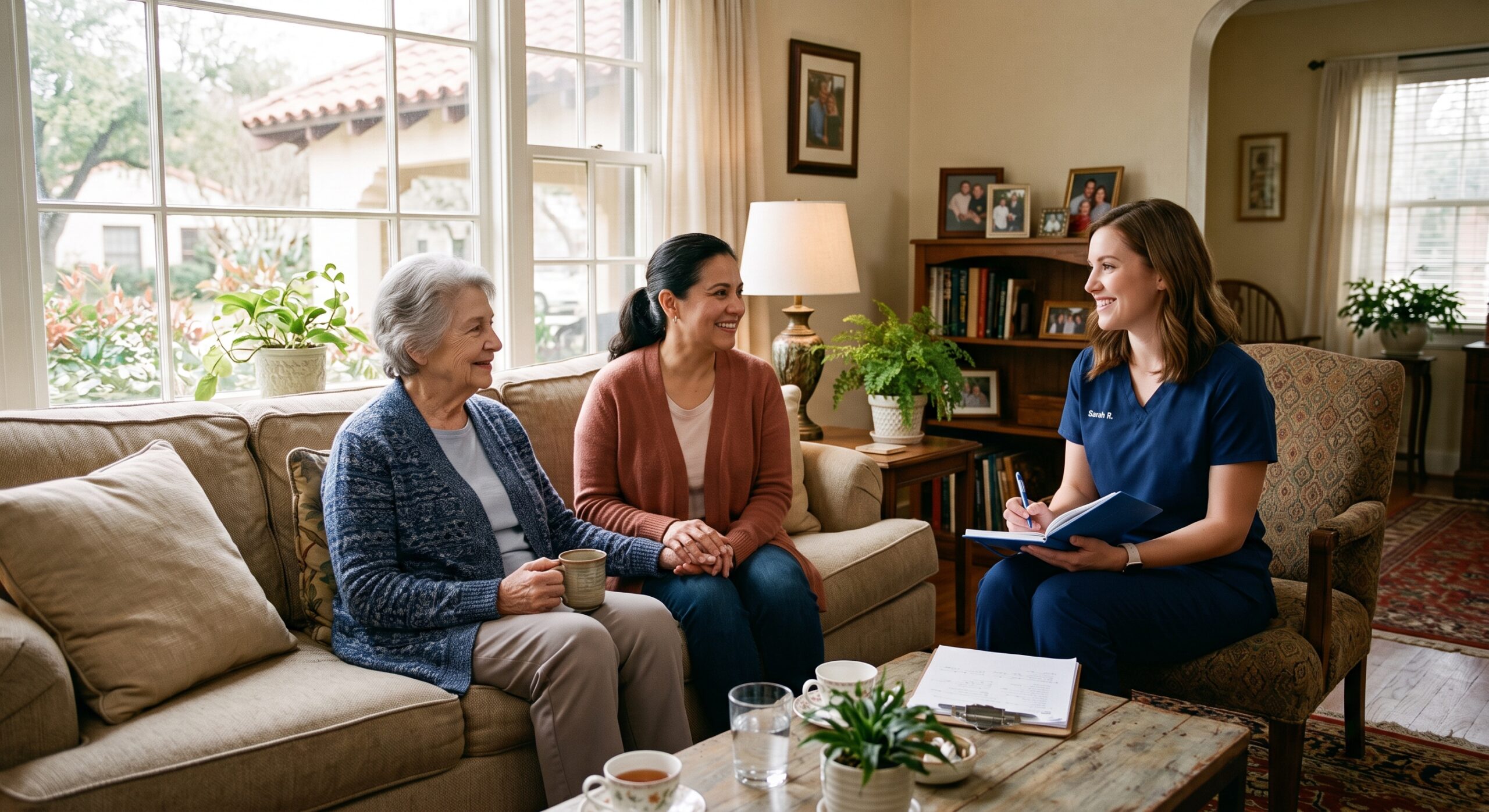
Recognizing when a family member needs specialized medical support is rarely a single, sudden realization. More often, it is a quiet truth that unfolds over weeks or months as you watch someone you love struggle with daily tasks, persistent pain, or frequent health setbacks. For many family caregivers in the San Antonio area, determining if it is time for hospice care brings up complex emotions, doubts, and questions. You might wonder if asking about specialized comfort care means giving up hope, or if your loved one is truly ill enough to qualify. In reality, choosing comfort-focused care is not about stepping back. It is about bringing in a dedicated team to protect your loved one's dignity, manage painful symptoms, and relieve the heavy emotional burden on your entire family.
Hospice care focuses on quality of life rather than curative treatments. Instead of forcing an ill relative to endure repeated, stressful trips to the emergency room, specialized comfort care brings medical management directly to where they live. Understanding the subtle health shifts that signal a need for additional assistance can help your family make informed, proactive decisions long before a medical crisis occurs. Here are five gentle signs that it may be time for hospice care for your loved one.
1. The "Hospital Door" Keeps Revolving
One of the most noticeable indicators that a severe illness is progressing is a pattern of frequent hospitalizations and emergency room visits. If your loved one has been admitted to the hospital multiple times over the past six months for recurring issues such as congestive heart failure flare-ups, chronic obstructive pulmonary disease (COPD) breathing struggles, or severe urinary tract infections, their current treatment plan may no longer be holding ground.
Curative medical treatments often require frequent clinical lab tests, aggressive medications, and exhausting doctor visits. However, when these interventions no longer lead to lasting recovery, continuing the cycle can cause unnecessary physical distress and anxiety.
Transitioning to in-home hospice care breaks this exhausting cycle. Instead of waiting for a late-night health spike that forces an emergency ambulance ride, a dedicated clinical team manages symptoms proactively in the comfort of home. Nurses monitor vital signs, adjust pain medications, and coordinate medical equipment directly in the living room, keeping your loved one resting peacefully in familiar surroundings.
2. Daily Tasks Have Become an Exhausting Uphill Climb
A gradual or sudden decline in physical independence is another clear sign that it might be time for hospice care. You may notice that everyday routines that used to be effortless have turned into overwhelming physical challenges for your parent or spouse.
Pay close attention to changes in basic activities of daily living, including:
- Mobility and Balance: Increasing difficulty standing up from a chair, needing frequent assistance to walk across a room, or experiencing repeated unexplained falls.
- Personal Hygiene: Requiring continuous hands-on assistance with bathing, dressing, grooming, or using the restroom safely.
- Sleeping Patterns: Spending the vast majority of the day and evening resting in bed or sitting in a favorite recliner due to profound fatigue.
When physical weakness advances to this level, family members often strain themselves trying to provide physical support safely. Professional hospice aides and skilled nurses provide crucial hands-on help with personal care, hygiene, and positioning, ensuring your loved one remains comfortable while reducing the risk of injury for everyone involved.
3. Unexplained Weight Loss and Loss of Appetite
As a serious illness progresses, the human body naturally slows down its metabolic processes. It is very common for individuals in the advanced stages of an illness to lose their desire for food and liquid.
You might notice that your loved one leaves favorite meals untouched, pushes food around their plate, or complains that eating feels like too much work. Their clothing may begin to look noticeably loose, or you might see visible weight loss despite your best efforts to prepare high-calorie snacks and nutritional drinks.
In many cases, well-meaning family members feel anxious when a relative stops eating, worrying that they are starving. However, forcing meals or liquid when the digestive system is shutting down can cause uncomfortable bloating, nausea, and swallowing difficulties.
A specialized care team helps families navigate these changes gently. The focus shifts away from strict nutrition goals and toward comfort, offering small sips of water, ice chips, or small tastes of favorite foods purely for enjoyment.
4. Pain and Chronic Symptoms Are Hard to Manage at Home
Persistent pain, severe shortness of breath, nausea, or intense restlessness can severely diminish a person's quality of life. If your loved one’s pain is no longer controlled by standard over-the-counter or routine prescription medications, specialized clinical intervention is necessary.
Managing complex symptoms at home without expert support often leaves caregivers feeling helpless and terrified. Hospice clinical teams specialize in palliative medication management, working directly with physicians to tailor pain relief plans that keep patients comfortable without completely stripping away their alertness or ability to interact with family.
Furthermore, care is not limited to physical symptoms. Advanced illness often brings emotional distress, anxiety, and spiritual questions. Comprehensive hospice care includes social workers and chaplains who offer spiritual guidance, emotional counseling, and deep comfort to both the patient and their loved ones during challenging moments.
5. You Are Experiencing Severe Caregiver Burnout
It is easy to focus entirely on the patient's physical needs and overlook the health and well-being of the person providing care. Serving as the primary caregiver for a chronically ill spouse or parent is physically demanding and emotionally exhausting.
If you find yourself experiencing constant anxiety, sleepless nights, overwhelming fatigue, or a feeling that you are constantly waiting for the next emergency, it is a strong signal that it is time for hospice care. Caregiver burnout is a serious condition that can compromise your own physical and mental health.
Hospice care is designed to support the entire family unit, not just the individual facing an illness. By bringing professional medical staff, personal care aides, and social workers into your care routine, you can step back from being a full-time medical manager and return to being a loving daughter, son, or spouse. You do not have to carry this heavy responsibility alone.
Understanding Coverage and Costs
A common misconception that delays families from seeking help is the fear of high medical bills. Fortunately, end-of-life medical support is one of the most comprehensive health benefits available in the United States.
For eligible individuals, the Medicare Hospice Benefit covers 100 percent of hospice-related services. This means there are typically zero out-of-pocket expenses for:
- Skilled nursing visits and physician oversight
- Hospice aide support for bathing and personal care
- Medications related to the terminal diagnosis and symptom control
- Medical equipment such as hospital beds, wheelchairs, and oxygen
- Medical supplies like bandages, catheters, and incontinence products
Medicaid and most private health insurance plans also offer extensive coverage for hospice services. To learn more about how benefits work for military veterans, you can explore resources provided by the National Hospice and Palliative Care Organization.
How to Take the First Step in San Antonio
If you recognize these signs in your loved one, you do not have to wait for a doctor to bring up the subject. Families can reach out directly to evaluate options, ask questions, and schedule a consultation.
At AIP Hospice, we understand how overwhelming these decisions can feel. Our local, family-owned team maintains lower nurse-to-patient ratios so that every family receives unhurried, human-centered care. Whether your loved one resides in a private home, an assisted living community, or a nursing facility in the San Antonio area, we respond quickly to provide guidance and peace of mind.
If you are wondering whether it is time for hospice care for someone in your family, take a deep breath. Contact our San Antonio care team today or call us at (210) 260-0000 to speak directly with an experienced professional who can help you take the next step with confidence and clarity.